
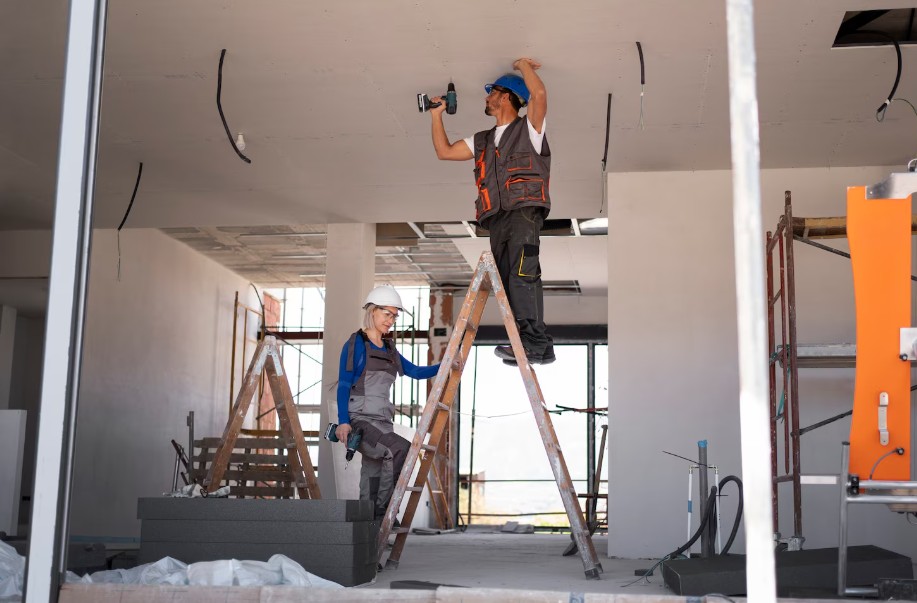
Managing a rental property means being prepared for the inevitable: things break. Knowing which party is responsible for a particular repair, the tenant, the landlord, or a third-party contractor, is crucial for efficient property management and compliance with tenancy laws.
Here is a breakdown of common maintenance repairs and the usual responsibilities:
Table of Contents
1. Blocked Drains and Toilets
- What it is: A slow or completely stopped drain due to buildup in pipes.
- Who pays/fixes: Landlord (Contractor), unless the blockage is clearly caused by the tenant’s negligence (e.g., flushing sanitary items, excessive hair, or cooking grease). For a routine internal blockage, a plumber is typically hired.
- Action: Requires a plunger, drain snake, or professional hydro-jetting.
2. Changing Lightbulbs and Fuses
- What it is: Replacing standard consumables that have reached the end of their lifespan.
- Who pays/fixes: Tenant. This is typically considered a minor, day-to-day task, similar to cleaning. However, if a specialty bulb (like a fluorescent tube or expensive fitting) blows, the landlord may cover the replacement cost if it requires professional access.
- Action: Tenant purchases and installs the replacement bulb or fuse.
3. Appliance Failures (Stove, Water Heater, Dishwasher)
- What it is: A breakdown of the appliances provided by the landlord as part of the tenancy agreement.
- Who pays/fixes: Landlord (Contractor). The landlord is responsible for ensuring all provided fittings and fixtures are in a reasonable state of repair. This usually requires calling an appliance repair technician or an electrician/plumber.
- Action: Landlord schedules professional repair or replacement.
4. Leaking Roofs or Water Penetration
- What it is: Damage to the building envelope allowing water to enter the ceiling or walls.
- Who pays/fixes: Landlord (Contractor). This is structural maintenance and the responsibility of the owner. A roofer must be contacted immediately to prevent further damage.
- Action: Emergency repair scheduled by the landlord.
5. Damage to Windows or Doors
- What it is: Broken panes of glass, faulty locks, or doors that won’t close properly.
- Who pays/fixes: Varies. If the damage is accidental (e.g., storm damage) or due to general wear, the Landlord pays. If the damage is proven to be caused willfully or negligently by the tenant, the Tenant may be held financially responsible.
- Action: Landlord contacts a glazier or handyman.
6. Pest Control
- What it is: Infestation by common household pests like ants, mice, or cockroaches.
- Who pays/fixes: Varies. The Landlord is generally responsible for dealing with infestations that are structural (e.g., termites) or that existed before the tenancy began. The Tenant is responsible for common pests resulting from inadequate cleaning or food storage.
- Action: Requires a pest control professional; responsibility depends on the source of the infestation.
Landlord Access for Repairs
When a landlord or an assigned contractor needs to access the property to carry out necessary inspections or repairs, it must be done with respect for the tenant’s privacy and occupation. The scheduling of these repair visits must always adhere to the terms, ensuring the quiet enjoyment of a rental property. This right means the tenant is entitled to peaceful possession without unreasonable interference from the landlord. Proper notice must be given for non-emergency entry.
By clearly defining these roles, property managers and landlords can streamline the repair process, ensuring issues are resolved quickly and tenant-landlord relationships remain positive.